 Derry City Hub
Derry City's current form in the League of Ireland Premier has raised eyebrows among fans, with the team struggling to find consistency and rhythm. The Candystripes have shown flashes of brilliance but have often been thwarted by tactical rigidity and a lack of cohesion in key areas. As we analyze recent performances, it becomes clear that some tactical tweaks could be essential for revitalizing their season and steering them back towards victory.
One of the primary areas to address is the midfield dynamic. While Derry has traditionally deployed a three-man midfield, the recent trend has shown that opposing teams are effectively pressing high and cutting off passing lanes. This has rendered Derry's buildup play predictable, often forcing the backline into long balls that lack precision. To combat this, introducing a more fluid midfield structure—perhaps shifting to a 4-2-3-1 formation—could offer more options for ball progression. By having two holding midfielders, the team could maintain possession while allowing the attacking midfielders to play off the front man, creating more chances in and around the box.
Additionally, the wingers have been less impactful in recent outings. Derry's wide players have struggled to deliver consistent service into the box, often being pinned back due to defensive duties. Encouraging them to adopt a more inverted role could exploit the space left by opposing full-backs. By allowing the wingers to drift inside, they could create overloads in the central areas, facilitating better link-up play with the forwards and drawing defenders out of position. This tactical shift would also enable the full-backs to overlap and provide width when needed, creating a more dynamic attacking threat.
Defensively, while Derry City has shown resilience, there have been lapses in concentration that have led to conceding unnecessary goals. A slight tweak in defensive organization could make a significant difference. Implementing a higher defensive line could compress the play, allowing Derry to reclaim possession in advanced areas. However, this approach necessitates precise coordination among the backline and midfield to avoid being caught out by quick counter-attacks. By ensuring that the defensive unit is not only focused on maintaining shape but also on stepping up as a cohesive unit, Derry can mitigate threats from speedy opposition forwards.
Moreover, set pieces have proven to be a double-edged sword for the Candystripes. While they have been effective in creating opportunities, Derry has also found themselves vulnerable during defensive set pieces. A detailed analysis of positioning during these situations could yield dividends. Assigning specific roles and responsibilities based on the opponent’s strengths could lead to a more organized and resolute defensive setup during these critical moments.
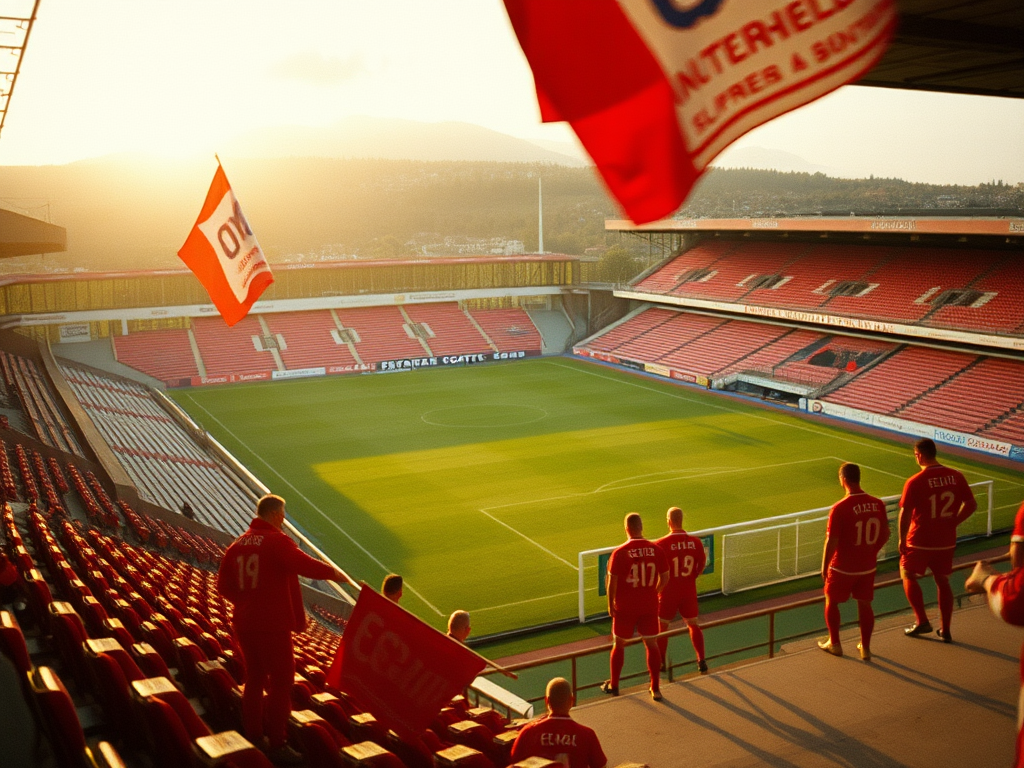
Ultimately, the key to Derry City's success lies in adaptability. The Candystripes must harness their strengths while being open to tactical adjustments that respond to the evolving dynamics of the game. By reassessing their approach and implementing these suggested tweaks, Derry City can regain their footing in the league and aim for the upper echelons of the table. The fans at the Ryan McBride Brandywell Stadium deserve to see a spirited performance that reflects the true capabilities of this talented squad.